
2026-09-12 ·
What to Do When Sewage Backs Up During Heavy Chicago Storms
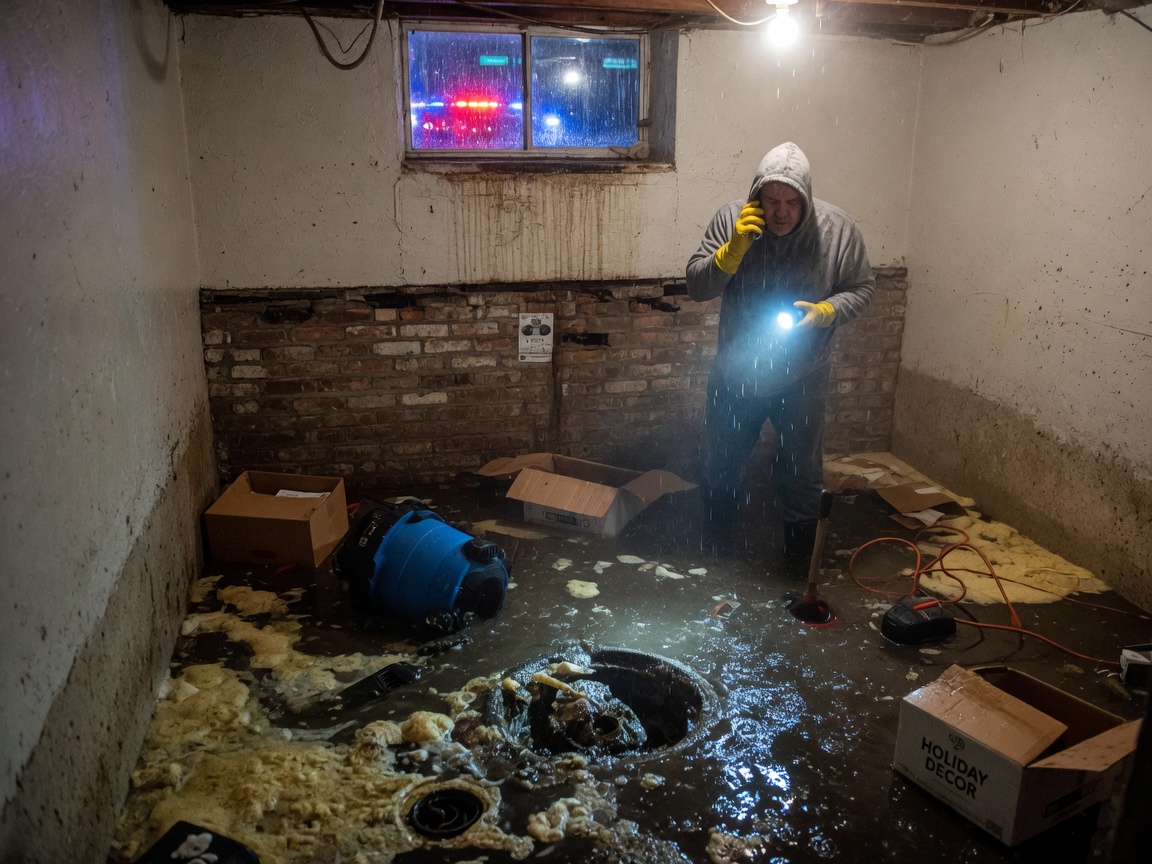
When sewage backs up during heavy Chicago storms, shut off the main water supply immediately, avoid all contact with the wastewater, ventilate the space, and contact a 24/7 emergency response team for assessment and cleanup. Chicago's combined sewer system overflows when intense rainfall exceeds capacity, pushing wastewater into basements especially in older neighborhoods built before modern separation infrastructure. This pattern repeats in areas like Lincoln Park, Wicker Park, and Hyde Park where clay and cast-iron lines from the early 1900s meet sudden downpours after cold winters.
Immediate Safety and Containment Steps
Heavy storms in Cook County push water through aging combined sewers, sending sewage into homes built on flat terrain near the Chicago Riverwalk and Grant Park. Begin by turning off the water at the main valve to stop additional flow. Open windows and use fans to reduce humidity and airborne contaminants while staying out of affected rooms. Wear rubber boots and gloves only if absolutely necessary for short tasks like moving valuables, but prioritize evacuation of children and pets. Document the water line with photos before any movement. In neighborhoods such as Logan Square and Bridgeport, where basements sit close to the water table, backups can rise several inches within minutes, making quick isolation essential to limit damage to flooring and walls.
Why Chicago Storms Overwhelm Local Sewer Lines
Chicago's humid continental climate brings sudden summer downpours that overwhelm the city's combined storm and sanitary sewers, a system still in use across much of Cook County. In South Loop and Uptown, older 4- to 6-inch clay pipes crack or shift from freeze-thaw cycles, allowing roots and debris to block flow during peak rainfall. Similar conditions appear in Rogers Park and Andersonville where tree-lined streets contribute root intrusion into lines installed decades ago. The result is pressurized backflow that enters homes through floor drains and toilets rather than reaching treatment plants. Understanding this infrastructure reality helps homeowners recognize that backups during storms differ from routine clogs and require different response timing.
When and How to Call Professional Help
Once safety steps are complete, reach out to an emergency plumber serving Chicago for camera inspection and extraction. Technicians often start with sewer line services to locate the blockage point, then apply hydro jetting to clear storm debris without excavation in many cases. In West Loop and Pilsen homes, crews may need to coordinate with city crews if the main line is involved. Response within the first hour reduces mold risk in humid summer air. Provide the address and describe visible water height so the team arrives prepared with the right equipment for combined sewer events rather than standard drain calls.
Protecting Historic and Older Homes After Backup
Many properties in Lincoln Park and Hyde Park feature original plumbing that connects directly to the combined system, making them especially vulnerable during peak storm events. After professional removal of wastewater, focus on drying affected areas within 24-48 hours to prevent structural issues in plaster and joists. Check related guidance in Emergency Steps for a Burst Pipe in Historic Chicago Homes for overlapping winter storm scenarios. Schedule a follow-up sewer drain inspection once weather clears to identify pipe sections weakened by repeated pressure surges. Owners in nearby Evanston and Oak Park face the same combined sewer risks and benefit from the same inspection intervals.
Long-Term Steps to Reduce Future Storm Backups
Install or maintain a backflow preventer rated for Chicago's system and have it tested annually before summer storm season. In Andersonville and Bridgeport, homeowners often add overhead sewers or sump systems with battery backup to redirect water during heavy rain. Clear gutters and downspouts regularly to reduce the volume entering the combined lines. For properties near Millennium Park or Navy Pier where redevelopment has increased runoff, consider grading adjustments around the foundation. These measures complement professional emergency plumbing response when storms still exceed capacity, keeping damage contained in Cook County homes built on the region's clay-heavy soil.