
2026-09-12 ·
How to Prevent Frozen Pipes During Chicago Winters
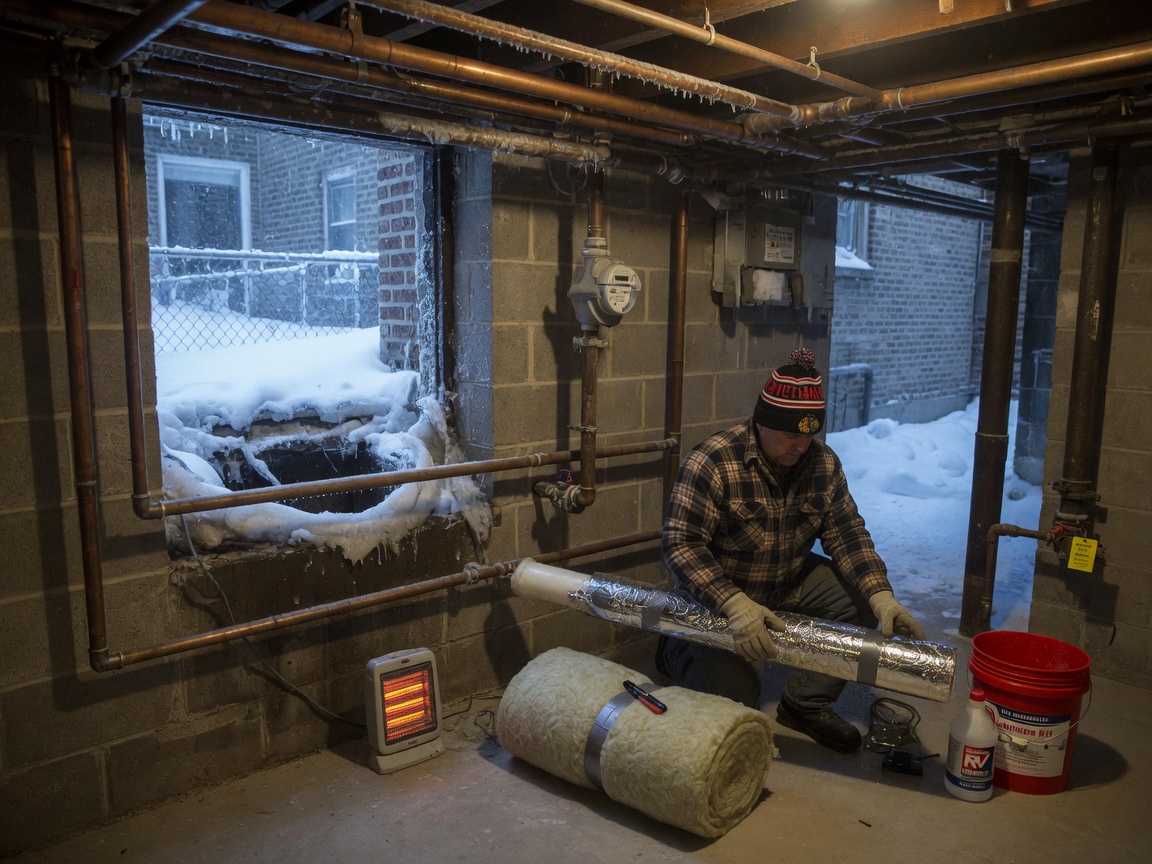
Chicago winters in a humid continental climate often push temperatures below 0°F, so the direct answer to preventing frozen pipes starts with insulating exposed lines in crawl spaces and attics while keeping indoor temperatures above 55°F even when away. Older housing stock in neighborhoods such as Lincoln Park, Wicker Park and Logan Square features narrow walls and uninsulated basements that lose heat fast once the wind sweeps off Lake Michigan. Homeowners in these areas see the most issues where supply lines run along exterior walls or through unheated garages. Maintaining a steady drip from faucets during the coldest nights and sealing gaps around foundation penetrations reduces the chance of ice expansion that splits copper or galvanized lines installed decades ago.
Mapping Vulnerable Pipes in Chicago Homes
Many pre-1960 buildings in Hyde Park, Bridgeport and Pilsen still carry original galvanized steel or early copper runs that sit close to exterior masonry. These lines cool quicker than modern PEX when overnight lows dip into the teens. Walk the perimeter of a typical two-flat in Andersonville or Uptown and note any pipes visible under porches or along alley walls. In Rogers Park near the lake, wind-driven cold penetrates deeper into frame construction, so check under kitchen sinks and behind washing machines first. Adding foam sleeves rated for at least R-3 on every accessible run cuts heat loss enough to keep water moving above freezing during a three-day cold spell.
Maintaining Heat and Flow During Cold Snaps
When forecasts from the National Weather Service call for sustained lows near 0°F, leave cabinet doors open under sinks in West Loop and South Loop apartments so warm air reaches the pipes. Set the thermostat no lower than 60°F even if traveling to Evanston or Oak Park for the weekend. A slow drip from both hot and cold taps on the highest floor prevents pressure buildup if ice begins to form. In multi-unit buildings common to Lakeview, coordinate with neighbors so no unit goes completely cold. These steps matter more than any single product because Chicago's freeze-thaw cycles repeat through January and February.
Protecting Outdoor Faucets and Hose Bibs
Disconnect garden hoses by mid-October and install insulated covers on hose bibs that serve yards in Grant Park or near the Chicago Riverwalk. Many older homes in Logan Square still have sill cocks without built-in shutoffs, so locate the interior valve and turn it off, then open the exterior bib to drain the line. This single action stops the majority of burst calls that arrive after the first hard freeze. For properties near Soldier Field or Navy Pier where wind exposure is high, add a quarter-turn ball valve upgrade if the existing setup lacks one. Winterizing outdoor faucets before Chicago's first freeze covers the exact sequence for these older valves.
When Prevention Fails: Next Steps
If a pipe still freezes despite insulation, shut off the main water valve immediately and call for professional thawing rather than using open flame or high-wattage heaters that can damage surrounding joists. Technicians familiar with Cook County building stock know how to apply heat tape or forced-air methods without cracking fittings. Once thawed, inspect for hairline splits that may not leak until the next thaw cycle. Properties in the West Loop and South Loop often need targeted pipe repair or replacement after repeated freezes because original lines have already been stressed by decades of temperature swings. Burst & frozen pipe repair outlines the typical process and what to expect when lines run behind plaster walls common in these neighborhoods.