
2026-09-12 ·
What Causes Low Water Pressure in Chicago Apartments
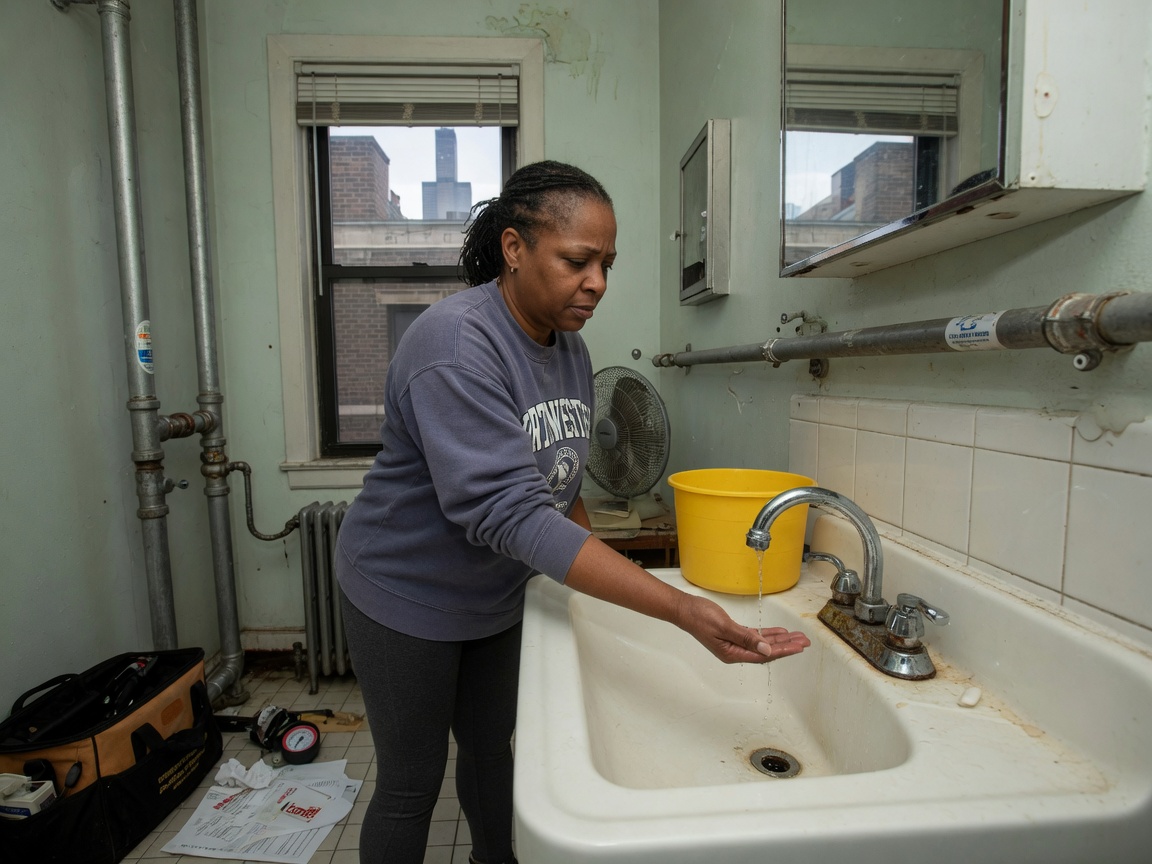
Low water pressure in Chicago apartments most often stems from corroded galvanized steel pipes installed before 1970, which restrict flow after decades of rust accumulation in buildings across Cook County neighborhoods such as Lincoln Park, Wicker Park, and Hyde Park.
Corroded Galvanized Pipes in Older Stock
Many multi-unit buildings in areas like Logan Square and the West Loop still rely on original galvanized piping that reacts with Chicago's water chemistry over time. Rust flakes and scale narrow the interior diameter, cutting pressure at fixtures on upper floors first. Residents in pre-war two-flats and three-flats notice the drop most during peak morning and evening use when multiple units draw simultaneously. Replacing sections or rerouting with copper or PEX restores flow without full repiping in many cases. The process requires accessing walls and ceilings typical of Chicago's masonry construction, and technicians must coordinate with building management to minimize disruption for tenants.
Mineral Buildup from Local Water Supply
Chicago's municipal water carries dissolved minerals that precipitate inside pipes and fixtures, especially in apartments near the Chicago Riverwalk where older infrastructure meets higher usage. Over years this scale coats aerators, showerheads, and supply lines, reducing volume even when the main valve is fully open. In neighborhoods such as Uptown and Andersonville, buildings with shared risers experience uneven pressure because sediment settles in horizontal runs. Regular cleaning of accessible screens helps short-term, but persistent buildup points to interior pipe restrictions that need professional inspection. Hard-water effects intensify during hot summer months when evaporation concentrates minerals in the system.
Partial Clogs and Valve Restrictions
Debris from aging pipes or external sediment can lodge at shut-off valves and meter connections common in South Loop and Bridgeport apartments. These restrictions often develop slowly until pressure drops noticeably at one unit while neighbors remain unaffected. Technicians trace the issue by isolating sections starting at the apartment shut-off and working back toward the building main. In high-rises, pressure-reducing valves on lower floors sometimes fail or get misadjusted during prior repairs, creating the same symptom. Hydro jetting or targeted pipe clearing addresses many of these blockages without excavation when the clog sits within accessible runs.
Building-Wide and Seasonal Influences
Cold winters in Chicago's humid continental climate cause contraction in exterior supply lines feeding Rogers Park and Pilsen apartments, occasionally leading to partial freezes that cut pressure until temperatures rise. Conversely, summer construction near Navy Pier or Grant Park can disturb mains and introduce air or debris into laterals. Shared systems in two-flats also suffer when one unit's leak or fixture upgrade alters flow balance for the rest of the building. Checking the main shut-off and pressure-reducing valve at the street connection often reveals whether the problem originates inside the apartment or upstream in the municipal line serving the block.
When pressure remains low after checking aerators and shut-offs, schedule a diagnostic visit through pipe repair and replacement or review options in the guide to replacing galvanized pipes in Chicago two-flats. Persistent issues may also warrant leak detection and repair to rule out hidden losses before they affect neighboring units.